Swimming, Boating & Water Play

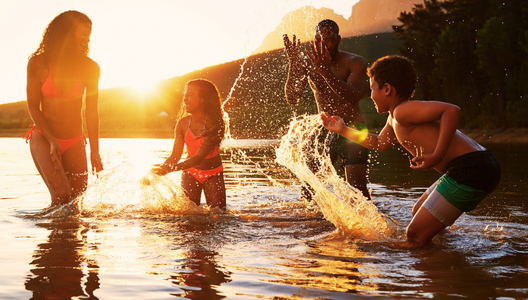
Families splashing in lake

Vermont's lakes, rivers and swimming holes are popular places to cool off and have fun. But accidents and injuries can happen. In Vermont, 8 deaths occur on average each year from drowning. 

There are ways we can enjoy the water more safely, whether swimming, boating or just splashing around.


On this Page: Water Safety Tips Rivers, lakes & swimming holes Swimming Pool & home safety Safe boating Swimming-related illness Data


Tips to Safely Enjoy Water Activities

  • Pay attention. Drowning is not like in the movies where actors splash and yell for help. It is swift and silent, so you may not see that a person is in trouble until it is too late.  
  • Always swim with a buddy. Never swim alone or allow someone to swim alone.
  • Make sure that others in your group swim in areas appropriate for their swimming ability.
  • Avoid alcohol. Do not drink and swim.
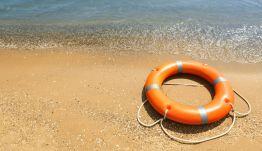
  • Make sure you have a rope or a throwable rescue device (like a life ring) nearby. 

If someone is in trouble, throw a rope or throwable rescue device to them. Do not go into the water to rescue them unless you can easily stand in it.

Dial 9-1-1 if…

  • You see someone struggling in the water from a distance.
    You’re unable to safely rescue someone in trouble.
  • You or someone else needs medical attention.

Tips for Keeping Children Safe

  • Always stay within arm’s reach of young children. Do not leave young children unattended near the water. 
  • Assign an adult to be a Water Watcher to watch every swimmer in your group, without distractions (like a cell phone, eating or reading a book). Take turns being the “watcher” so all adults in your group can get a break. 
  • Never trust a child to watch another child. 
  • Learn to swim, and teach your children to swim. But, even as children gain good water skills, don’t let up on your oversight because they still need supervision from an adult.   

For more swim safety tips, visit the CDC page on preventing swimming-related illnesses.

Rivers, lakes and swimming holes
  • Be aware of and avoid drop-offs and hidden underwater obstacles in natural water sites.
  • Do not dive into water, always enter water feet-first.
  • Be aware of rapidly changing weather conditions. Check the weather forecast and watch for signs of change such as sudden storm clouds and high winds.
  • Heavy rainfalls can create potentially dangerous conditions in swim holes, streams, rivers, and waterfalls. These conditions of high water or strong undercurrents can linger several days after a storm so swimmers and boaters need to assess the water depth and flow before recreating.

Swim hole safety tips

See translations.

Swimming pool and home safety
  • Install fencing around your pool.
  • Don’t leave toys out that encourage children to go in the pool area without supervision.
  • Never leave a child alone near standing water, bathtub, bucket of water or toilet. Small children are top-heavy and can fall in and drown within minutes.
  • Do not leave young children unattended near the water. Never trust a child to watch another child.
  • Assign an adult to be a Water Watcher. This person is always watching every swimmer to be sure they are safe, and is not distracted with a cell phone, eating or reading a book. Adults can take turns being the “watcher” so the other adults can relax and have fun with the group.
  • Refer to these tips from the American Academy of Pediatrics and SafeKids.org.
Safe boating

Weather conditions such as heavy rainfall, gusts of wind, and thunder storms can create potentially dangerous conditions in lakes, ponds and rivers. Conditions of high water or strong undercurrents can linger several days after a storm, so boaters need to:

  • Assess the water depth and flow before launch.
  • Be aware of rapidly changing weather conditions. Check the weather forecast and watch for signs of change, such as sudden storm clouds and high winds.
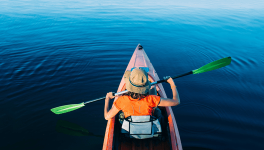
  • Always wear a life jacket (personal protective device). In Vermont it is the law that children under twelve must wear a life jacket when boating. Be sure the life jacket fits properly.
  • Use the links to Coast Guard for more tips on boating safety. 
Swimming-related illnesses

Swimming-related illnesses are diseases that people can get from the water in which they swim and play, if the water is contaminated by germs. The most common symptoms caused by these illnesses are diarrhea, skin rashes, ear pain, cough or congestion, and eye pain. Keeping germs out of the water is the best way to prevent people from getting sick. This means you should stay out of the water if you are sick with diarrhea. Protect yourself by keeping the water out of your mouth, and dry your ears after you swim.

Learn more about the Food and Waterborne Diseases Program.

Last Updated: