Campylobacter
- What is campylobacter?
- What are the symptoms of campylobacter infection?
- How do people get campylobacter?
- How is campylobacter infection diagnosed and treated?
- Can people be reinfected with campylobacter?
- Can campylobacter infections be prevented?
- Are there recommendations for people in certain occupations?
What is campylobacter?
Campylobacter is a bacterium that can cause a gastrointestinal infection known as campylobacteriosis. Usually campylobacteriosis is referred to as campylobacter. People are most often infected by eating or drinking contaminated food, water or unpasteurized milk. Most people infected with campylobacter are ill for three to five days, but in about 20 percent of the cases, symptoms may persist for two weeks or longer. Sometimes people are ill enough to behospitalized.
What are the symptoms of campylobacter infection?
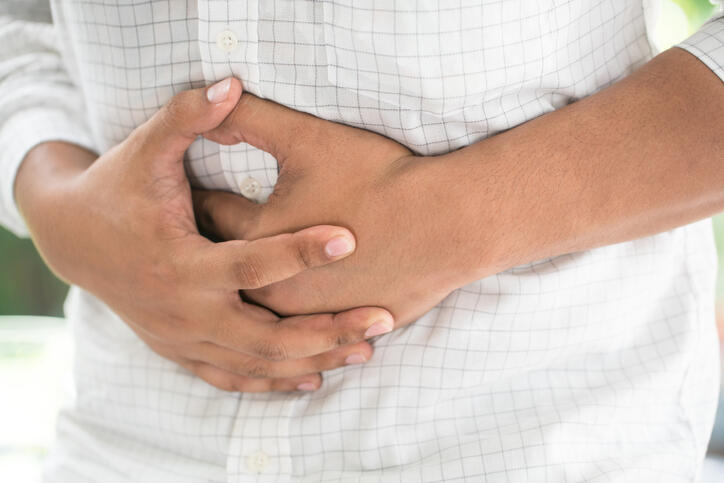
Symptoms usually start suddenly from three to five days after the bacteria has been swallowed. In some cases symptoms can begin as early as one day or up to 10 days after exposure. People infected with campylobacter can have mild or no symptoms. Most often, however, symptoms include diarrhea, abdominal pain, tiredness, fever, nausea, and vomiting. The diarrhea may be watery or bloody.
How do people get campylobacter?
People can become infected by eating raw or undercooked meat or poultry from infected animals, from drinking unpasteurized (raw) milk and from eating dairy products made from unpasteurized milk. Direct contact with infected pets, especially kittens and puppies, can also be a source of infection. Many animals carry the disease without appearing ill. Campylobacter is commonly found in the stomach and intestines of cattle, sheep, pigs, goats, dogs, cats, rodents, turkeys and chickens.
How is campylobacter infection diagnosed and treated?
Campylobacter is usually diagnosed by a lab test called a stool culture. Your health care provider will give you the special container you need to collect a stool specimen. It usually takes several days before the stool test results are ready. In general, people who are otherwise healthy recover without medical treatment. Sometimes antibiotics are used when a person is severely ill or if they work in jobs where there is risk of passing the disease to others. If a person becomes dehydrated, hospitalization may be necessary for fluid replacement.
Can people be reinfected with campylobacter?
After becoming ill the first time with campylobacter, people often develop some immunity. They can be infected again, but they are less likely to have symptoms after the first illness.
Can campylobacter infections be prevented?
Some general guidelines for helping to prevent campylobacter infections are:
- Always thoroughly wash your hands with soap and water before eating and preparing food, and after using the toilet, changing diapers, playing with pets, handling farm animals or handling uncooked meat.
- Make sure all food from animal sources, especially poultry products, are thoroughly cooked. Meat and poultry should be cooked until meat is firm and juices run clear.
- Leftovers should be promptly refrigerated and thoroughly reheated. When using a microwave oven for cooking or reheating, turn and stir the food so that all sections are completely cooked.
- Never eat or drink unpasteurized (raw) milk, cheese made with unpasteurized milk or any other unpasteurized dairy products.
- Prevent cross contamination of foods. Never let raw meat and poultry or their juices come into contact with other food, raw or cooked. Always wash your hands and all utensils and surfaces that have been in contact with raw meat or poultry.
- Avoid drinking untreated surface water.
- Infections among domestic animals should be evaluated and treated by a veterinarian.
Are there recommendations for people in certain occupations?
To protect the public, anyone who is infected with campylobacter should not work as a food handler, patient care provider, dairy processor or child care provider until there is no longer a risk of infecting others.
For specific guidelines, you may call (toll-free from within Vermont): 800-640-4374.