
The Flu
More about Seasonal Flu
More about H1N1 (Swine) flu
Check the level of Flu Activity in Vermont
Flu Information Line
For information about the flu, you can dial 2-1-1 from anywhere within Vermont, or visit the Vermont 2-1-1 Web site.
Flu Information
- Prevent the Spread of Flu
- What to Do if You Get Sick
- Flu Essentials: What You Need to Know (CDC)
- Who Should Get a Flu Shot?
- Where to get a Flu Shot
- More Information - Web links, fact sheets, and posters
- Flu Forums
- Contact Us
What is the "flu?"
Influenza, commonly known as "the flu", is caused by viruses that infect the nose, throat and lungs. The flu usually spreads through the air from person to person when an infected person coughs, sneezes or talks. When these viruses enter the nose, throat, or lungs of a person, they begin to multiply, causing symptoms of the flu. Unlike the common cold, the flu can cause serious illness and can be life-threatening. Each year over 36,000 people in the U.S. die from complications of the flu.
Prevent the Spread of Flu
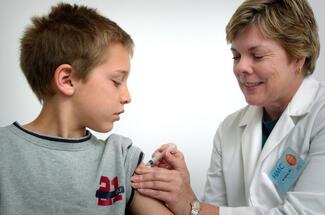
The best way to prevent the flu is to get a flu shot.
To help prevent the spread of flu, or any other illness that can be spread from person to person:
- Cover your cough.
- Wash your hands often and well.
- Keep yourself healthy with rest, exercise, and eating healthy foods.
- Drink plenty of fluids.
- Stay home if you get sick.
- Avoid close contact with sick people.
Governor Jim Douglas teams up with Elmo to help spread the message of flu prevention
- Listen to and download this audio PSA Audio (AIF) | Audio (MOV) | Audio (MP3)
Senator Patrick Leahy urges Vermonters to take simple steps to protect themselves from the flu
Visit Flu.gov for additional flu-related PSAs.
What to do if you get sick
What to do About the Flu: Guidelines for Deciding About Care
At-a-glance guidance about the level of care for adults and children based upon type and severity of symptoms.
(black & white version)
See also: What To Do If You Get Sick
Flu symptoms can often be confused with the common cold, but the flu usually comes on more suddenly and is more severe ( Is It a Cold or Flu?).
Symptoms of flu may include fever (usually high), headache, tiredness and weakness (can be extreme), dry cough, sore throat, runny or stuffy nose, body or muscle aches, nausea, vomiting, and diarrhea (much more common among children than adults).
A person who is sick with the flu can spread viruses. That means they are contagious. Adults are usually contagious from one day before having symptoms to seven days after getting sick. Children can be contagious for longer than seven days.
If you start to get flu symptoms:
- Get plenty of rest.
- Drink plenty of liquids.
- Don't use alcohol or tobacco.
- Stay home from work or school to protect others from catching your illness.
- Cover your mouth and nose with a tisssue every time you cough or sneeze.
- Take medication to lessen the symptoms of flu, but NEVER give aspirin to children or teenagers who have flu-like symptoms, especially fever, without first checking with your health care provider.
Call your health care provider right away if your flu symptoms are very serious.
Who Should Get a Flu Shot?
While nearly everyone will benefit from a flu shot, some people are especially vulnerable if they get the flu.
The Department of Health is encouraging all Vermonters to get vaccinated, especially those at high risk of complications from the flu.
People who should get vaccinated this year:
- All children ages 6 months though 18 years
- Household contacts of children under 5 years old, and especially those under 6 months
- Any adult who wants to reduce the risk of getting the flu or transmitting it to others
Higher risk adults and those who care for, or are in contact with them should get vaccinated:
- Pregnant women
- Breastfeeding mothers
- All adults 50 years of age and older
- Residents of nursing homes and other long term care facilities.
- Healthcare workers
- Travelers
- People of any age with certain chronic medical conditions
- People who have immunosuppression
- Anyone with a condition that can compromise respiratory function
- People at high risk for severe complications from influenza
Where to get a Flu Shot
Contact your doctor or other health care provider for vaccine availability.
Call the flu information line: Dial 2-1-1
Professional caregivers can contact their employers.
More Information
- Flu.gov
- Centers for Disease Control and Prevention
- Childhood Influenza Immunization Coalition
Established by the National Foundation for Infectious Diseases to address and improve the influenza immunization rates among children, and help to make influenza immunization a national health priority.
Fact Sheets
- Is it a Cold or the Flu?
- Preventing the Flu
- What to Do If You Get the Flu
- Seasonal, Avian and Pandemic Influenza
Posters
Superhero Campaign
Adventures of Mom Jack & Joe
Respiratory Etiquette
Achoo! - poster for schools, daycares, etc. on good health manners and respiratory etiquette; 8.5 x 11, 249 KB
Ask for a Mask - poster for hospitals, clinics and other health care settings; 8.5 x 11,
210 KB
Caring May Mean not Visiting - poster for hospitals, nursing homes and other facilities that receive visitors; 11 x 17, 136 KB
Flu Forums
![]()
Know What to do About the Flu
Regional and Local Community Forums are beinge held around the state about preparations underway for the new flu – 2009 H1N1 influenza – and the regular seasonal flu.
Contact us
Flu-related questions or information: Dial 2-1-1 from anywhere in Vermont
E-mail the Department of Health: vdhco@vdh.state.vt.us


