Salmonella
- What is salmonella?
- What are the symptoms of salmonella infection?
- How do people get salmonella?
- Which foods are most commonly associated with salmonella?
- Are there non-food sources of salmonella?
- How is salmonella infection diagnosed?
- How is salmonella infection treated?
- Can salmonella infections be prevented?
- Are there recommendations for employees in high-risk occupations?
Stay Healthy When Caring for your New Ducklings or Chicks
Chicks and ducklings may appear healthy and clean, but they can carry germs that cause illness. The germs that poultry shed in their droppings can contaminate their bodies, the areas where they live, and even the things that they touch.
What is salmonella?
Salmonella is bacteria that can cause a gastrointestinal infection known as salmonellosis. Usually salmonellosis is referred to as "salmonella." This infection can occur in humans and animals. Most people infected with salmonella are ill for four to seven days. The person may be ill enough to require hospitalization. Serious complications and death are rare and are more likely in the very young, the very old, and people who have other health problems.
What are the symptoms of salmonella infection?
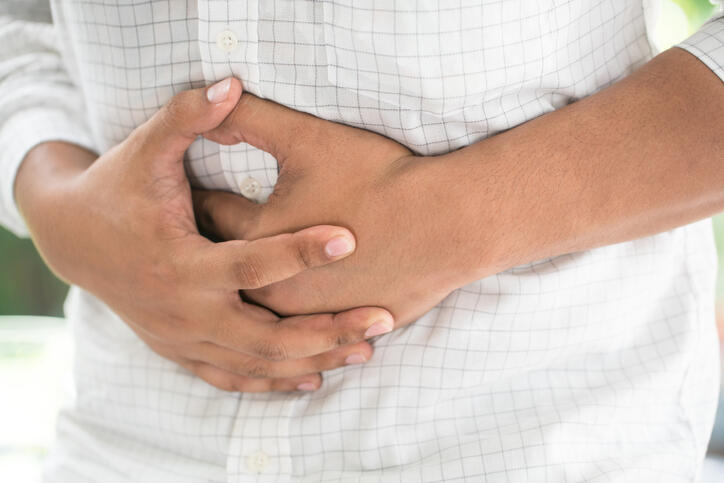
Symptoms of salmonella usually start from 12 to 72 hours after the bacteria has been swallowed. The symptoms include abdominal cramps, headache, fever, and severe watery diarrhea. Nausea and vomiting may also occur. People infected with salmonella can have milder or no symptoms.
How do people get salmonella?
People become infected with salmonella by swallowing the bacterium. This can happen from eating contaminated food that has not been completely cooked, or has been contaminated after preparation. Salmonella can also be spread from person to person when an infected individual does not thoroughly wash his or her hands after using the toilet. Health care providers and food handlers who are infected with salmonella can contaminate food during preparation, or while feeding a patient, if their hands have not been washed thoroughly.
Which foods are most commonly associated with salmonella?
Salmonella is commonly found in raw food products that come from animals, such as eggs, egg products, meat, meat products, unpasteurized milk, or other unpasteurized dairy products. Thorough cooking and processing effectively kills salmonella bacteria.
Are there non-food sources of salmonella?
Salmonella organisms have been found in the stools of sick and apparently healthy people and animals. Most domestic animals, including ducks, cattle, swine, dogs, cats, pet turtles and chicks have been found to carry and transmit salmonella. The bacteria also has been found in a variety of wild animals. Thorough hand washing after contact with animals is recommended to prevent salmonella transmission. Contaminated water is also a possible source of salmonella infection.
How is salmonella infection diagnosed?
Salmonella is usually diagnosed by a lab test called a stool culture. Your health care provider will provide the special container you need to collect a stool specimen. It usually takes several days before the test results are ready.How is salmonella infection treated?
In general, people who are otherwise healthy recover without medical treatment. Antibiotics are sometimes needed by infants, the elderly, and people with other health problems, because they may be unable to fight off the infection by themselves. Dehydration is treated with oral or intravenous fluids. Consult your physician if you have prolonged diarrhea. Antibiotic treatment may increase the time it takes the body to clear itself of the salmonella bacteria. Even after symptoms have ended, it often takes several weeks for the bacteria to completely clear from the intestines.
Can salmonella infections be prevented?
Some general guidelines for helping to prevent salmonella infections are:- Always thoroughly wash your hands with soap and water before eating, before and after preparing food, and after using the toilet, changing diapers, or playing with pets.
- Make sure all food products from animal sources are thoroughly cooked, especially poultry and egg products. Egg yolks should be firm. Meat and poultry products should not be pink.
- Do not eat raw or cracked eggs, unpasteurized milk, cheese made with unpasteurized milk, or any other unpasteurized dairy products. Leftovers should be promptly refrigerated and thoroughly reheated.
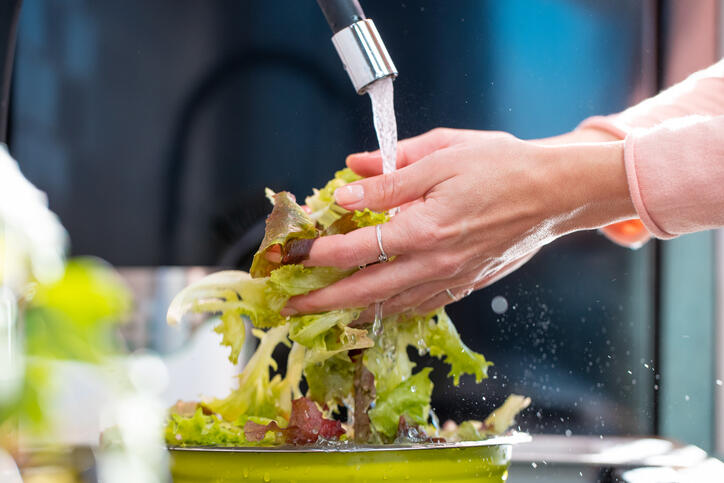
- Avoid contaminating any food that will not be cooked with food products from animal sources. For example, wash your hands and all utensils and surfaces that have been in contact with raw poultry before you make a salad. Stuffing should never be stored in poultry
- When caring for a person with salmonella, promptly and properly dispose of, or launder, any material that becomes contaminated with stool. Thoroughly wash your hands after such contact.
- Young children and other people with special needs may require extra help with hand washing after using the toilet.
Are there recommendations for employees in high-risk occupations?
In order to protect the public, anyone who is infected with salmonella and has a high risk job (food handlers, patient care providers, dairy industry workers, or child care providers who prepare food or feed children) should not work in these jobs until there is no longer a risk of infecting others. Consult with the Health Department at 800-640-4374 (toll-free from within Vermont) for guidelines.