Shigellosis
- What is shigellosis?
- What are the symptoms of shigellosis?
- How do people get shigellosis?
- How is shigellosis diagnosed?
- How is shigellosis treated?
- Can shigellosis be prevented?
- Are there recommendations for people in certain occupations?
What is shigellosis?
Shigellosis is a gastrointestinal infection caused by the bacterium Shigella. There are four kinds of Shigella that can cause illness, but the two most commonly identified in Vermont are Shigella sonnei and Shigella flexneri.
What are the symptoms of shigellosis?
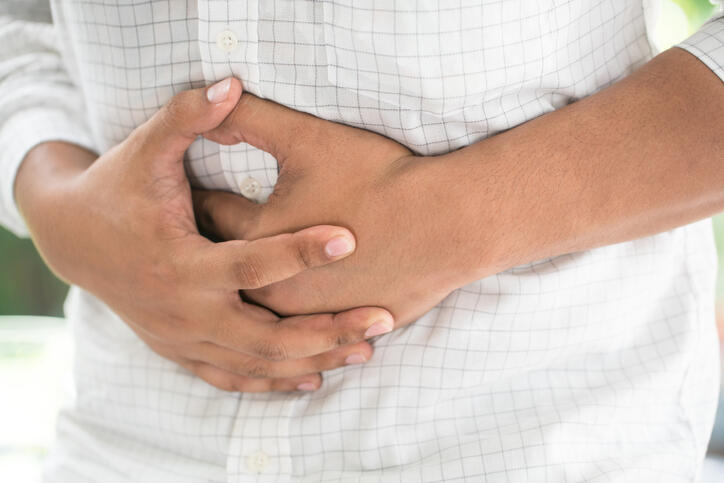
Symptoms of shigellosis usually begin from one to three days after the bacteria have been swallowed. Shigellosis typically begins with fever, abdominal pain and watery diarrhea. After a day or more, the diarrhea may become bloody. Some people may have mild infections with only some of the symptoms, or may not
have any symptoms at all. Most people are sick for four to seven days. More severe illness may occur in young children and people with other health problems.
How do people get shigellosis?
People become infected by swallowing the bacteria. This can happen in several different ways:
- Shigella bacteria can pass from one infected person to another. The bacteria are present in the stools of infected persons while they are sick, and for a week or two afterwards. Most people get shigellosis as the result of the bacterium passing from the stools or soiled fingers of one person to the mouth of another person. This happens when basic hygiene and handwashing habits are inadequate. It is particularly likely to occur between toddlers who are not fully toilet trained, their family members and playmates.
- Shigellosis may occur from eating contaminated food. Infected food handlers who don’t wash their hands after using the bathroom can contaminate food. Vegetables can become contaminated if they are harvested from a field with sewage in it. Flies can breed in infected feces and then contaminate food.
- Shigellosis can occur by drinking or swimming in contaminated water. The water may become contaminated if sewage runs into it, or if someone with shigellosis swims in it.
How is shigellosis diagnosed?
Many different kinds of diseases can cause diarrhea, and treatment depends on the specific disease. Shigellosis is diagnosed by a laboratory test called a stool culture. Your health care provider will give you the special container you need to collect a stool specimen. It usually takes several days before the test results are ready.
How is shigellosis treated?
In general, people who are otherwise healthy recover without medical treatment. Your health care provider will decide whether treatment is necessary, depending on the severity of the infection, and whether you work in a job where there is a high risk of passing the disease to others. Treatment may include fluid replacement when there are signs of dehydration, and antibacterial therapy to shorten the duration of the illness.
Can shigellosis be prevented?
Some general guidelines to prevent getting shigellosis are:
- Always wash your hands thoroughly with soap and water before preparing and eating food, after using the toilet, or changing diapers.
- If you work in a child care center and change diapers, be sure to wash your hands and the diaper changing surfaces after each child. If you wear gloves, throw the gloves away and wash your hands after diapering each child.
- Children with diarrhea should be kept out of child care settings.
- If you provide care to patients with shigellosis, wash your hands after bathing patients, emptying bedpans, changing soiled linen, or coming into contact with the stools of patients. Shigella bacteria can still be present in the stools even after the symptoms are gone.
- If someone in your household has shigellosis, carefully clean and disinfect areas that could be contaminated, like the bathroom and soiled clothing or linens.
- Food and water supplies should be kept safe from contamination by human feces.
- When traveling to developing countries, drink only treated or boiled water, and eat only foods that are cooked, and fruit that you have peeled yourself.
Are there recommendations for people in certain occupations?
People with known or suspected shigellosis should not work in high-risk occupations (including food
handlers, child or patient care providers or post-pasteurization dairy processing plant workers) until they
have completed treatment and no longer have symptoms. Individuals in high-risk occupations who were
not treated must have two consecutive negative laboratory tests, collected 48 hours apart, before returning
to work.