Swimming, Boating or Just Playing in Vermont's Waters? 

Here's how to stay healthy & safe.

There are many ways to enjoy the water in Vermont, from beaches to pools and swimming holes. But water can carry risks too.

  • Accidents and Injuries: Rivers, lakes and swimming holes can have hidden dangers from underwater objects and currents, especially during and after storms.
  • Illness: Water can carry germs, harmful algae and pollutants that can make you sick.

Too many people get sick or hurt from the water. This is especially true for young people (under 25), boys and men, who account for more of Vermont’s drowning-related emergency visits and hospitalizations than any other group.

On this page, you'll find tips to help prevent injury and illness in or around the water, for all the activities and settings you enjoy.

Avoid accidents & drowning
Tips to prevent getting or spreading illness
More information & translated materials
For boaters, kayakers, canoers & paddlers
For swimmers, caregivers & pool/hot tub owners

Before You Go

  • Check the weather and water conditions. 
  • Know when to stay out:
    • If you are sick with diarrhea avoid pools, splash pads, hot tubs, and natural waters (like lakes, ponds and rivers).
    • During storms, lightning or heavy winds. Wait 48 hours after heavy rain before swimming in natural waters.
    • If the water looks discolored or has visible cyanobacteria (blue-green algae) blooms.
    • If there are posted warning signs.

Stay Safe around Water

Drowning can happen quickly and quietly. It's not like the movies, where actors splash and yell for help.

Always stay within arm’s reach of young children and have an adult watching them. Never leave them unattended.

To Avoid Accidents & Drowning
  • Never swim or boat alone.
  • Swim in areas that match your swimming ability.
  • Wear a life jacket that fits and is right for your activity.
  • Don't use alcohol and drugs when swimming or boating.
  • Supervise children closely, staying within arm's reach. Click below for more on keeping children safe.
Keep Children Safe

Adult Supervision

girl swimming in a lake with goggles and floaties
  • Assign an adult Water Watcher to pay close attention to kids without distractions (like phones, books, or food). 
    • The water watcher should supervise kids even if lifeguards are on duty. 
    • Switch out with another adult every 15 minutes.
  • Never let a child watch another child. 
  • Teach your children to swim. Even as they gain good water skills, they still need adult supervision.

Dress for Safety

  • Kids under 12 must wear a life jacket when boating in Vermont.

  • Kids should wear a child-sized jacket. Adult sizes are too big and will not protect them.

  • Don't rely on pool toys or floaties for protection. Even armbands or water wings can slip off when children jump into the water.
  • Dress children in bright-colored bathing suits (like neon green or yellow) so you can see them in the water. Other colors appear dark underwater and can be hard to see. 

If a child goes missing, immediately check nearby water sources. Children are naturally curious and may wander off unnoticed.

Be Ready for an Emergency
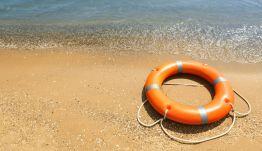
  • Keep a rope or a throwable rescue device (like a life ring) nearby. 
  • Learn CPR and basic water rescue skills.  

If Someone Is in Trouble:

  • Throw them a flotation device. 
  • Dial 9-1-1 and keep watching the person until help arrives.
  • Don’t go in the water to rescue them unless you can easily stand where they are. Even strong swimmers can get pulled underwater and drown.

Avoid Getting Sick in the Water

Germs, poop, pee and other debris can get into the water and make people sick. 

To avoid getting or spreading illness in the water:

  • Never swim if you're sick with diarrhea.
  • Don’t swallow water or let it go up your nose.  
  • Cover cuts, wounds and new piercings with waterproof bandages.  
  • Keep poop out of the water: Take children for bathroom breaks and check diapers every hour. Remember: Swim diapers don’t stop poop or pee from getting in the water.
Symptoms of Water-Related Illness

Common symptoms include:

  • Diarrhea
  • Skin rash
  • Ear pain
  • Eye irritation
  • Cough or congestion. 

More serious illnesses are also possible, but less likely.

Quick Tip

Questions about the water quality of your town's public swimming area? 

Ask your town health officer about swim water test results.


Rivers, Lakes & Swimming Holes

Waters and their currents are stronger than they may appear. 

Stay alert to changing weather and water conditions. What to know and do:

Know the Risks

Natural waters can change quickly and may have:

  • Strong hidden currents that can pull swimmers under
  • Sudden drop-offs  
  • Underwater debris  
  • Cold temperatures  
  • Changing water depth and flow after rain or drought  
  • Bacteria or other germs, pollutants or cyanobacteria blooms
Stay Safe
  • Check water depth and flow before entering. To do this, you can toss in a stick or short branch. If it is swept away or sucked underwater, stay out. 

  • Enter feet first. Never dive into natural water. 

  • Wear a life jacket that fits snugly and stays in place when lifted.  

  • Stay alert to changing weather and water conditions. 

  • Know your limits. Water and its currents are stronger than they appear.  

For more information, see swimming hole safety tips and water safety after a flood.

Translated versions of these resources are also available in multiple languages. 

Stay Safe in Cold Water

Cold water (below 70°F) can pose its own health risks:

  • Cold shock
  • Hypothermia  
  • Increased heart strain and risk for medical emergencies

To stay safe in cold water:  

  • Enter water slowly to reduce cold shock.  
  • Take frequent warm-up breaks out of the water.  
  • Wear a wetsuit or dry suit in cold conditions  

Get out immediately if:

  • You feel very cold.  
  • Your breathing or heartbeat speeds up.  
  • You feel weak or uncoordinated. 

Boating & Paddling

To stay safe in Vermont waters, regardless of the type of boat you're on:

decorative
  • Always check weather and water conditions before getting out on the water. 
  • Dress for water temperature, not just air temperature.  
  • Text a loved one where you're going and when you'll be back. Keep them updated of any changes.
  • Bring rescue equipment, like rope or a throwable flotation device.
  • Plan ahead by taking a boating or paddling safety course.
Tips for Boaters
  • Get to know the boat you’ll be using (including how to send distress signals) and the rules of the water.
  • Wear a properly fitting life jacket at all times.  
  • Bring a life jacket for everyone on the boat. Children under 12 are required to wear them when boating in Vermont.
  • Travel at speeds that are safe for the water conditions.
  • Avoid alcohol and drugs when boating or paddling.
Tips for Paddling & Watersports
  • Stay within sight or earshot of your group.  
  • Know how to rescue yourself if your boat turns over or you fall in.  
  • For high-impact watersports (whitewater, wake sports, kite surfing): Wear a helmet and make sure your life jacket is made for fast watersports.  

Watch: How To Deal with a Flipped Canoe

Find more information for recreational boaters from the U.S. Coast Guard.

^Back to top


Pools, Hot Tubs & Splash Pads

Pools, hot tubs, and splash pads are generally safe. But:

  • If the water is not properly treated and disinfected, it can cause serious illness.
  • If left unsupervised by an adult, accidents are more likely to happen.

To prevent getting sick in pools, hot tubs & splash pads:

  • Shower before you get in.
  • Do not poop or pee in the water. Take children for bathroom breaks and check diapers every hour to avoid poop in the water.
  • Don't sit or stand on the jets. Sitting or standing on jets can rinse poop off your butt.
Quick Tip

Are you a pool or hot tub owner? 

3 Tips to Protect Others:
  1. Secure your pool or hot tub to prevent unsupervised access when you're not around.
    • Keep hot tubs covered and fence pools with self-closing, self-latching gates.
    • Put away toys and floats after swimming so they don't attract children.
  2. Follow your local pool safety requirements.
  3. Test the water periodically for bacteria throughout the swimming season.

Order a Water Test Kit

^Back to top


Resources

More Information

Translated Information

Last Updated: